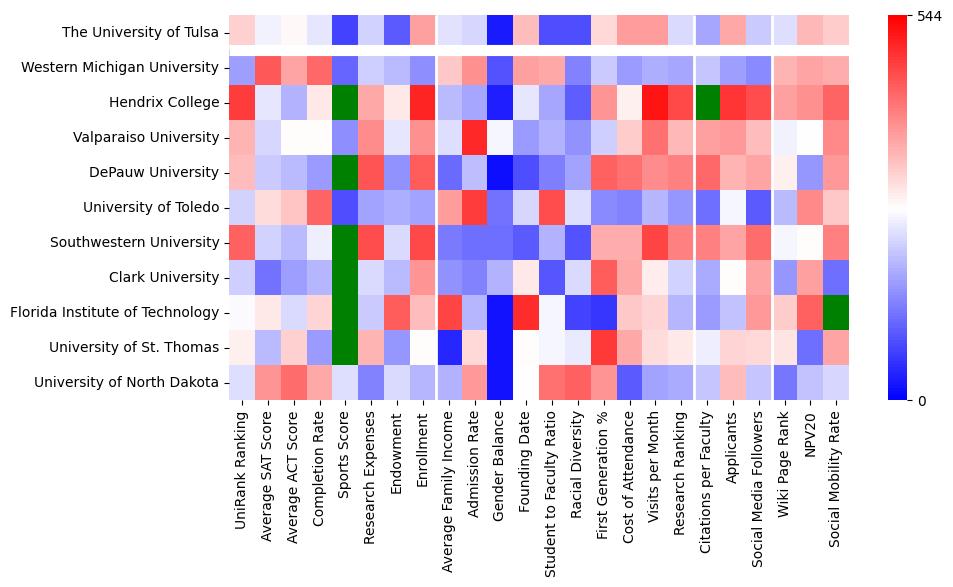
The University of Tulsa, located in Tulsa, Oklahoma, has a rich history dating back to its founding in 1894. Originally established as the Presbyterian School for Indian Girls, it has evolved significantly over the years into a comprehensive private research university. With a commitment to fostering a diverse and inclusive environment, the university serves approximately 4,000 students. The campus is known for its beautiful Collegiate Gothic architecture, providing a picturesque setting for academic pursuits and student life.
What sets the University of Tulsa apart is its strong emphasis on personalized education and student engagement. The university boasts a low student-to-faculty ratio, allowing for close mentorship and collaboration with faculty members. The school is also recognized for its dedication to community service and leadership development, encouraging students to apply their skills beyond the classroom in meaningful ways. Tulsa's vibrant cultural scene, along with numerous internship opportunities in the city, enriches the student experience.
Academically, the University of Tulsa offers rigorous programs with particular strengths in engineering, business, and law. Its College of Engineering and Natural Sciences is highly regarded, particularly for petroleum engineering, which consistently ranks among the top programs in the nation. The Collins College of Business is also notable, offering students a robust curriculum that emphasizes practical skills and global perspectives. The university’s law school has earned a reputation for excellence, producing graduates who excel in various legal fields.
Despite its many strengths, the University of Tulsa faces challenges, particularly in terms of financial sustainability and enrollment numbers. Like many private institutions, it has been striving to maintain affordability while ensuring the quality of education. Additionally, while the university offers a wide range of student activities, some have noted that the campus social scene can be quieter compared to larger state universities. As it continues to adapt to the changing higher education landscape, the university is focused on addressing these issues to enhance its appeal and maintain its standing as a top-tier institution.